
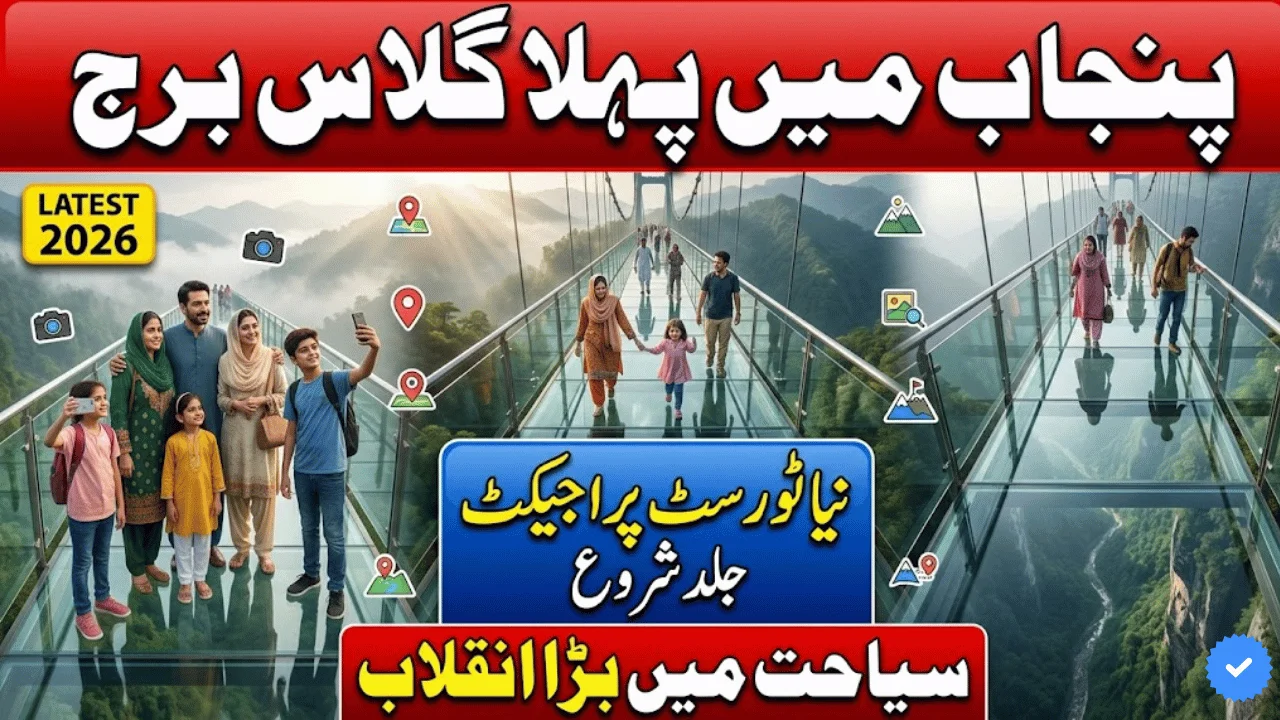
Tourism in northern Punjab has always been a double-edged sword. On one hand, places like Murree attract millions of visitors every year. On the other, poor infrastructure, overcrowding, and limited attractions often leave tourists frustrated. That’s exactly where the Punjab sky glass bridge project comes into play—a modern, experience-driven development designed to upgrade how people explore the region.
Instead of just adding another viewpoint or park, the government is aiming to introduce something immersive, visually striking, and globally competitive.
What Is the Punjab Sky Glass Bridge Project?
The Punjab sky glass bridge project is an upcoming tourist attraction planned for Kotli Sattian near Murree. Unlike traditional bridges, this structure will feature a transparent glass walkway, allowing visitors to walk above valleys while seeing directly beneath their feet.
Why this matters:
- It transforms sightseeing into an experience, not just a visit
- It aligns Punjab with international tourism trends
- It encourages longer stays instead of quick day trips
Globally, glass bridges in places like China and Turkey have become viral attractions. Punjab is now stepping into that same space.
Why Kotli Sattian Was Chosen
Kotli Sattian is often overshadowed by Murree, despite having equally stunning landscapes. The decision to place the project here is strategic.
Key reasons:
- Less congestion compared to Murree
- Untapped natural beauty
- Opportunity to divert tourist pressure from overcrowded areas
This move could shift tourism patterns, bringing economic activity to areas that previously saw limited development.
Beyond the Bridge: A Larger Tourism Vision
The glass bridge is not a standalone project. It is part of a broader plan to upgrade tourism infrastructure across the Murree region.
Planned developments include:
- High-end hospitality zones
- New parks and eco-tourism spaces
- Adventure activities like paragliding
- Modern accommodation concepts like glamping
This integrated approach shows a shift from basic tourism to experience-based tourism, where visitors come for activities—not just scenery.
Real Impact: What This Means for Locals
Large projects often sound impressive, but their real value lies in local impact.
Economic benefits:
| Area | Expected Impact |
|---|---|
| Employment | Jobs in construction, tourism, hospitality |
| Small businesses | Growth in food stalls, hotels, transport |
| Property value | Likely increase in land demand |
| Youth opportunities | New roles in tourism services |
For example, a small café owner in Kotli Sattian could see a massive increase in foot traffic once the project launches.
Safety and Environmental Considerations
A glass bridge may sound exciting—but it also raises valid concerns.
Safety measures expected:
- High-strength tempered glass
- Weight-tested structure
- Controlled visitor entry
- On-site safety staff
Environmental concerns:
- Risk of over-tourism
- Waste management challenges
- Impact on local wildlife
If not managed properly, the project could damage the very environment it aims to showcase. Sustainable planning will be critical.
Comparison: Traditional Tourism vs Modern Experience Tourism
| Feature | Traditional Tourism | Modern Tourism (Glass Bridge Model) |
|---|---|---|
| Focus | Sightseeing | Experience & adventure |
| Visitor stay | Short | Longer |
| Revenue generation | Limited | Higher per visitor |
| Social media appeal | Low | Very high |
| Local involvement | Basic | Diverse opportunities |
This shift explains why governments are now investing in visually unique projects.
Practical Advice for Future Visitors
If you’re planning to visit once the project opens, here are some practical tips:
Before you go:
- Avoid peak seasons (weekends, holidays)
- Check weather conditions—fog can reduce visibility
- Book accommodations in advance
During your visit:
- Wear comfortable shoes (glass surfaces can be slippery)
- Follow safety instructions strictly
- Visit early morning for better views and fewer crowds
FAQs About Punjab Sky Glass Bridge Project
1. When will the Punjab sky glass bridge project be completed?
The exact completion timeline depends on construction progress, but initial work is expected to begin soon after approvals.
2. Is the glass bridge safe for families and children?
Yes, such bridges are designed with strong safety standards, but children should always be supervised.
3. Will there be an entry fee?
Most likely, yes. Experience-based attractions usually charge a ticket to manage crowds and maintenance.
4. How is this different from other tourist spots in Murree?
Unlike traditional viewpoints, this project offers an interactive and thrilling experience, not just scenery.
5. Can this project really boost tourism in Punjab?
If managed well, it can significantly increase tourism revenue and attract both local and international visitors.
Final Thoughts
The Punjab sky glass bridge project is more than just a construction plan—it represents a shift in how tourism is being reimagined in Pakistan. Instead of relying solely on natural beauty, the focus is now on creating memorable experiences that attract modern travelers.
However, success will depend on execution. If authorities maintain safety, control crowds, and protect the environment, this project could become one of Pakistan’s most iconic tourist attractions.